

Hey there, fellow vehicle enthusiasts! As a seasoned vehicle sensor supplier, I've seen my fair share of sensor-related issues and questions. One of the most common queries I get is, "How do I figure out if a vehicle sensor needs to be replaced?" Well, in this blog post, I'm gonna break it down for you and share some practical tips to help you make that call.
Understanding the Role of Vehicle Sensors
Before we dive into the signs of a faulty sensor, let's quickly go over what vehicle sensors do. These little gadgets are like the eyes and ears of your vehicle. They monitor various aspects of your car's performance, from engine temperature and tire pressure to fuel consumption and emissions. By providing real-time data to the vehicle's computer system, sensors help ensure that your car runs smoothly and efficiently.
Common Types of Vehicle Sensors
There are many different types of sensors in a vehicle, each with its own specific function. Here are some of the most common ones:
- Oxygen Sensor: This sensor measures the amount of oxygen in the exhaust gases and helps the engine control unit (ECU) adjust the air-fuel mixture for optimal combustion.
- Mass Air Flow (MAF) Sensor: The MAF sensor measures the amount of air entering the engine, allowing the ECU to determine the correct amount of fuel to inject.
- Throttle Position Sensor (TPS): This sensor monitors the position of the throttle valve, which controls the amount of air entering the engine. It helps the ECU adjust the fuel injection and ignition timing accordingly.
- Coolant Temperature Sensor: As the name suggests, this sensor measures the temperature of the engine coolant. It provides this information to the ECU, which uses it to control the engine's operating temperature.
- Fuel Level Sensor: This sensor measures the amount of fuel in the tank and sends this information to the fuel gauge on the dashboard.
Signs That a Vehicle Sensor Needs to Be Replaced
Now that we have a basic understanding of vehicle sensors, let's look at some signs that indicate a sensor might need to be replaced:
- Check Engine Light: One of the most obvious signs of a sensor problem is the illumination of the check engine light on your dashboard. While the check engine light can indicate a variety of issues, a faulty sensor is often a common culprit. If the light comes on, it's a good idea to have your vehicle scanned for trouble codes using an OBD-II scanner. This will help you identify the specific sensor that's causing the problem.
- Poor Fuel Economy: A malfunctioning sensor can also affect your vehicle's fuel economy. For example, a faulty oxygen sensor or MAF sensor can cause the engine to run rich or lean, resulting in increased fuel consumption. If you notice a sudden decrease in your vehicle's fuel efficiency, it could be a sign that one or more sensors need to be replaced.
- Rough Idling or Stalling: A sensor problem can also cause your vehicle to idle roughly or stall. This can happen if the sensor is providing incorrect data to the ECU, which can lead to improper fuel injection or ignition timing. If you experience rough idling or stalling, it's important to have your vehicle checked by a professional mechanic as soon as possible.
- Unusual Engine Performance: Another sign of a sensor problem is unusual engine performance. This can include a loss of power, hesitation, or misfiring. If you notice any of these symptoms, it could be a sign that a sensor is not working properly.
- Inaccurate Gauge Readings: If your vehicle's gauges are showing inaccurate readings, it could be a sign of a faulty sensor. For example, if the fuel gauge is reading incorrectly or the temperature gauge is showing abnormal readings, it could be due to a problem with the fuel level sensor or coolant temperature sensor.
How to Test a Vehicle Sensor
If you suspect that a sensor is faulty, you can perform some basic tests to confirm your suspicions. Here are some common methods for testing vehicle sensors:
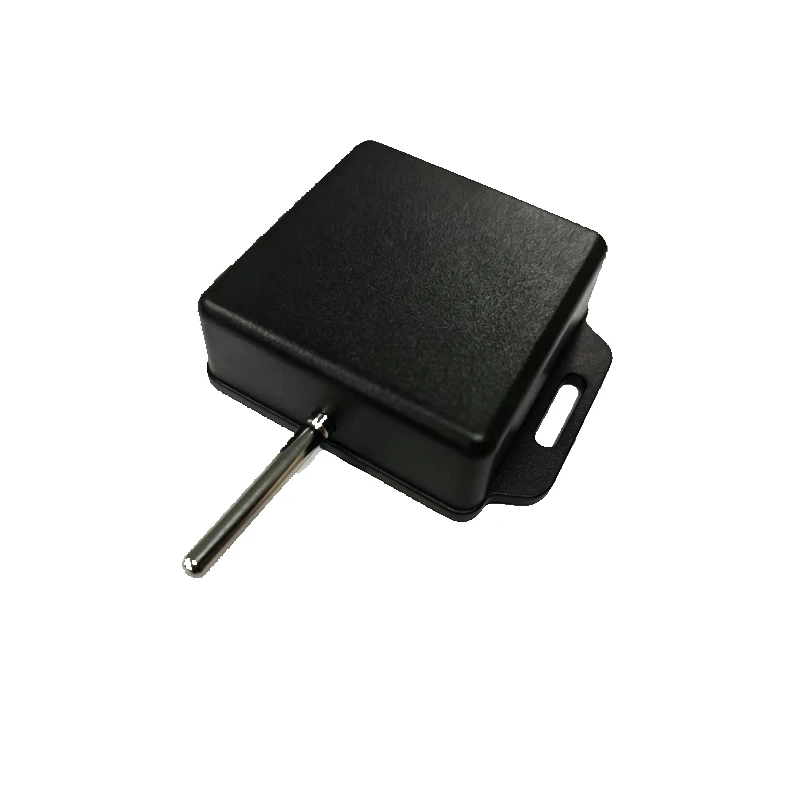
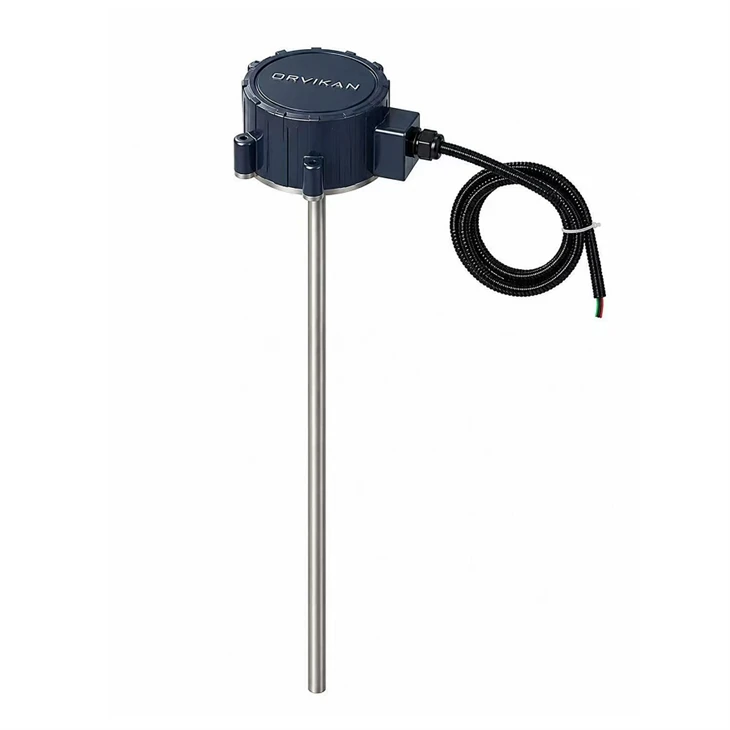
- Visual Inspection: Start by visually inspecting the sensor for any signs of damage or wear. Look for loose connections, frayed wires, or corrosion. If you notice any damage, the sensor may need to be replaced.
- Voltage Test: Most sensors operate on a specific voltage range. You can use a multimeter to test the voltage output of the sensor. Compare the readings to the specifications provided by the manufacturer. If the readings are outside the normal range, the sensor may be faulty.
- Resistance Test: Some sensors, such as the MAF sensor, have a specific resistance value. You can use a multimeter to measure the resistance of the sensor. Compare the readings to the specifications provided by the manufacturer. If the readings are outside the normal range, the sensor may be faulty.
- Function Test: In some cases, you may need to perform a function test to determine if a sensor is working properly. This can involve using a scan tool to monitor the sensor's output while the vehicle is running. If the sensor is not providing the correct data, it may need to be replaced.
When to Replace a Vehicle Sensor
If you've determined that a sensor is faulty, it's important to replace it as soon as possible. A faulty sensor can not only affect your vehicle's performance and fuel economy but can also lead to more serious problems down the road. Here are some general guidelines on when to replace a vehicle sensor:
- Manufacturer Recommendations: Some vehicle manufacturers recommend replacing certain sensors at specific intervals. Check your vehicle's owner's manual or consult with a professional mechanic to see if there are any recommended replacement intervals for your vehicle's sensors.
- Age and Mileage: As a general rule, sensors tend to wear out over time. If your vehicle is older or has high mileage, it's a good idea to have the sensors inspected regularly and replaced as needed.
- Symptoms: If you're experiencing any of the symptoms mentioned earlier, such as a check engine light, poor fuel economy, or rough idling, it's important to have the sensor checked and replaced if necessary.
Our Vehicle Sensor Products
As a vehicle sensor supplier, we offer a wide range of high-quality sensors for various types of vehicles. Here are some of our popular products:
- Integrated Vehicle Fuel Consumption Sensor: This sensor provides accurate and real-time data on your vehicle's fuel consumption, helping you monitor your driving habits and improve fuel efficiency.
- Split-Type Vehicle Fuel Consumption Sensor: Our split-type fuel consumption sensor is easy to install and provides reliable fuel consumption data. It's a great option for those who want to track their fuel usage without making major modifications to their vehicle.
- Bluetooth Wireless Temperature Sensor: This sensor allows you to monitor your vehicle's engine temperature wirelessly using your smartphone or other Bluetooth-enabled device. It's a convenient and easy-to-use solution for keeping an eye on your engine's health.
Contact Us for Procurement
If you're in the market for high-quality vehicle sensors, we'd love to hear from you. Whether you're a professional mechanic, a fleet manager, or a vehicle enthusiast, we have the sensors you need to keep your vehicles running smoothly. Contact us today to discuss your procurement needs and get a quote. We're committed to providing excellent customer service and high-quality products at competitive prices.
References
- Chilton, J. (2023). Chilton's Auto Repair Manual. Random House.
- Haynes, J. (2023). How to Keep Your Volkswagen Alive: A Manual of Step-By-Step Procedures for the Compleat Idiot. Haynes Publications.
- Mitchell, J. (2023). Mitchell 1 Automotive Repair Information. Mitchell 1.