

In the contemporary landscape of vehicle management and security, 4G vehicle location trackers have emerged as indispensable tools. As a supplier deeply entrenched in the industry, I've witnessed firsthand the pivotal role these devices play in diverse sectors, from transportation and logistics to construction and personal vehicle security. This blog aims to explore the reliability of 4G vehicle location trackers, delving into their technology, benefits, limitations, and real - world applications.
Understanding 4G Vehicle Location Trackers
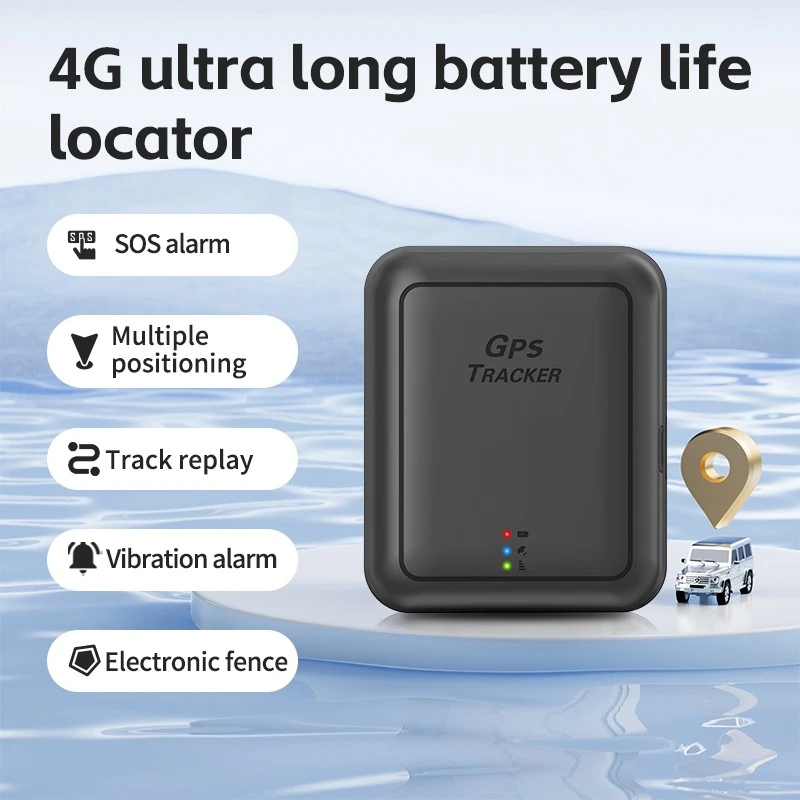
At their core, 4G vehicle location trackers are sophisticated devices designed to monitor and transmit the real - time location of vehicles. They leverage the fourth - generation (4G) cellular network to communicate data, offering faster and more stable connectivity compared to their predecessors. These trackers typically consist of a GPS module for accurate positioning and a 4G modem for data transmission.
The GPS module in a 4G vehicle location tracker receives signals from multiple satellites orbiting the Earth. By triangulating these signals, the tracker can determine the vehicle's precise latitude, longitude, and altitude. The 4G modem then takes this location data and sends it to a central server, where it can be accessed by authorized users through a web - based platform or a mobile application.
The Reliability of 4G Connectivity
One of the key factors contributing to the reliability of 4G vehicle location trackers is the 4G network itself. The 4G network provides high - speed data transfer, low latency, and wide coverage, ensuring that location data can be transmitted quickly and accurately. This is crucial for applications where real - time tracking is essential, such as fleet management and emergency response.
However, like any technology, 4G connectivity is not without its limitations. In areas with poor 4G signal strength, such as remote rural areas or underground parking lots, the tracker may experience connectivity issues. This can result in intermittent data transmission or even a complete loss of connection. To mitigate this problem, some advanced 4G vehicle location trackers are equipped with dual - mode capabilities, allowing them to switch to 3G or even 2G networks when 4G coverage is unavailable.
Accuracy of Location Tracking
The accuracy of location tracking is another critical aspect of a 4G vehicle location tracker's reliability. Modern GPS technology used in these trackers can typically achieve an accuracy of within a few meters. This level of accuracy is sufficient for most applications, including route planning, asset management, and theft recovery.
However, the actual accuracy can be affected by various factors, such as the number of visible satellites, the presence of obstacles (e.g., tall buildings, mountains), and the quality of the GPS antenna. In urban canyons, where tall buildings can block satellite signals, the accuracy may be reduced. To improve accuracy in such situations, some trackers use additional technologies, such as assisted GPS (A - GPS) and dead reckoning. A - GPS uses the 4G network to obtain additional satellite ephemeris data, which can speed up the satellite acquisition process and improve positioning accuracy. Dead reckoning, on the other hand, uses the vehicle's speed and direction data to estimate its position when GPS signals are unavailable.
Battery Life and Power Management
The reliability of a 4G vehicle location tracker also depends on its battery life and power management capabilities. For portable trackers, long battery life is essential to ensure continuous tracking without frequent recharging. Many 4G vehicle location trackers are designed with energy - efficient components and intelligent power management algorithms to optimize battery usage.
For example, some trackers can enter a low - power sleep mode when the vehicle is stationary for an extended period, reducing power consumption. When the vehicle starts moving again, the tracker wakes up and resumes normal operation. In addition, some Portable 4G Bus GPS Locator are equipped with rechargeable batteries that can be easily swapped or charged using a standard USB cable.
Real - World Applications and Reliability
4G vehicle location trackers have a wide range of real - world applications, each with its own reliability requirements.
Fleet Management
In the fleet management industry, reliability is of utmost importance. Fleet managers rely on 4G vehicle location trackers to monitor the location, speed, and status of their vehicles in real - time. This information is used for route optimization, driver performance monitoring, and fuel management. A reliable tracker ensures that fleet managers can make informed decisions quickly, reducing operational costs and improving efficiency.
Construction Machinery Tracking
For GPS Tracker for Construction Machinery, reliability is crucial for asset security and utilization. Construction sites are often large and remote, making it difficult to keep track of expensive machinery. 4G vehicle location trackers can provide real - time location data, allowing construction companies to monitor the movement of their equipment, prevent theft, and schedule maintenance more effectively.
Personal Vehicle Security
In the context of personal vehicle security, a reliable 4G vehicle location tracker can be a valuable asset. In case of theft, the tracker can help law enforcement agencies locate the vehicle quickly. Moreover, some trackers offer additional features, such as geofencing and tamper alerts, which can provide an extra layer of security.
Logistics and Supply Chain
In the logistics and supply chain industry, 4G vehicle location trackers are used to track the movement of goods from the point of origin to the point of delivery. This helps to ensure timely delivery, reduce the risk of theft or loss, and improve customer satisfaction. A reliable tracker is essential to provide accurate and up - to - date information throughout the supply chain process.
Comparing Different Types of 4G Vehicle Location Trackers
There are several types of 4G vehicle location trackers available on the market, each with its own features and reliability characteristics.
4G Magnetic Wireless GPS Tracker
These trackers are easy to install and can be attached to the vehicle's metal surface using a strong magnet. They are suitable for short - term tracking or when the tracker needs to be easily removable. However, the magnetic attachment may not be as secure as hard - wired installation, and the battery life may be limited.
Solar - Powered Wireless GPS Tracker
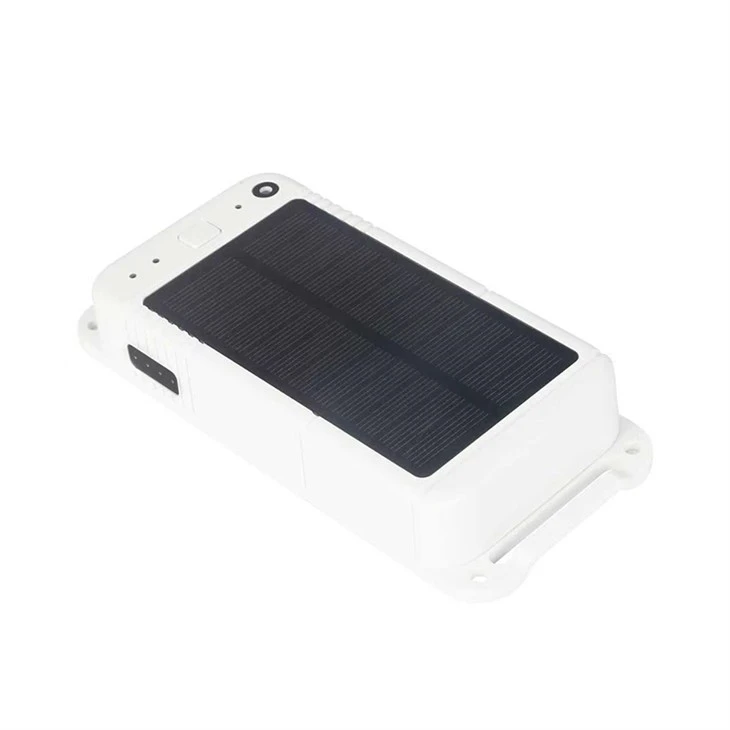
Solar - powered trackers are an environmentally friendly option with the advantage of continuous charging. They are ideal for long - term outdoor tracking, such as tracking vehicles in remote areas or on long - distance trips. However, their performance can be affected by weather conditions, and they may require a certain amount of sunlight to function optimally.
4G Location Tracker
These are general - purpose trackers that can be installed in various types of vehicles. They offer a balance between functionality, reliability, and cost. They are typically hard - wired to the vehicle's power supply, ensuring a stable power source and reliable operation.
Conclusion
In conclusion, 4G vehicle location trackers are generally reliable tools for vehicle monitoring and management. Their reliability is supported by the advanced 4G network technology, accurate GPS positioning, and intelligent power management. However, like any technology, they have their limitations, such as connectivity issues in areas with poor signal strength and accuracy degradation in certain environments.
As a 4G vehicle location tracker supplier, we are committed to providing high - quality products that meet the diverse needs of our customers. Our trackers are designed to offer maximum reliability, accuracy, and functionality. We continuously invest in research and development to improve our products and stay ahead of the technological curve.
If you are interested in our 4G vehicle location trackers and would like to discuss your specific requirements, we encourage you to reach out. Our team of experts is ready to provide you with detailed information and assist you in finding the most suitable tracker for your needs.
References
- "Global Positioning System (GPS) Technology and Applications." National Geographic Society.
- "4G LTE Technology: A Comprehensive Guide." Cisco Systems.
- "Vehicle Tracking Systems: Market Trends and Applications." MarketsandMarkets Research.