

How long does it take to charge a GPS tracker? This is a question that many customers often ask. As a GPS tracker supplier, we understand the importance of this issue for both businesses and individuals. The charging time of a GPS tracker can vary significantly depending on several factors, including the battery capacity, the type of charger used, and the power source.
Battery Capacity
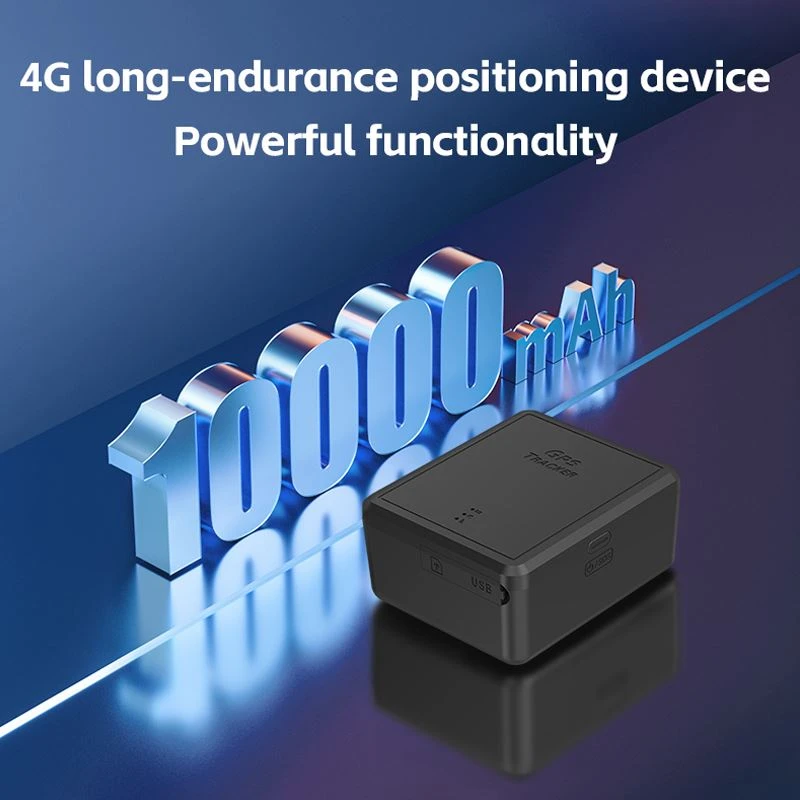
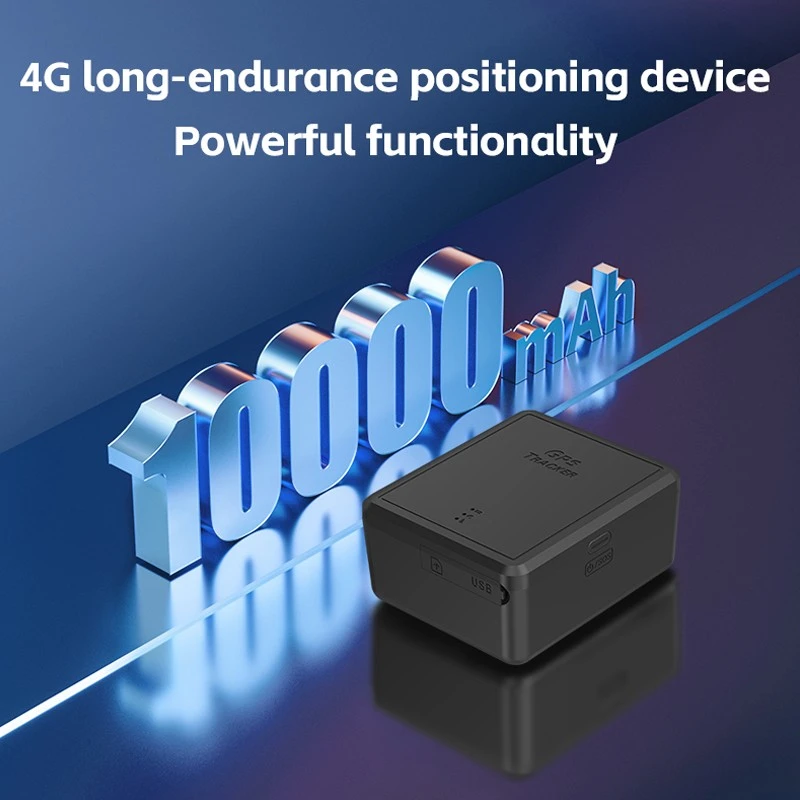
The battery capacity of a GPS tracker is one of the most critical factors affecting its charging time. Generally, the larger the battery capacity, the longer it takes to charge. For example, a GPS tracker with a small battery of 500mAh may take only an hour or two to charge fully, while a device with a larger battery of 5000mAh could take five to eight hours.
Our Truck GPS Tracker, designed for long - haul monitoring, typically has a relatively large battery capacity. This is because trucks often travel long distances and may not have regular access to charging points. The large battery ensures continuous operation for an extended period. However, due to its high capacity, it may take longer to charge compared to smaller, more portable devices.
Type of Charger
The type of charger used also plays a significant role in the charging time. There are different types of chargers available in the market, including standard chargers, fast chargers, and solar chargers.
Standard chargers usually provide a relatively low charging current. For instance, a common 5V 1A charger will take longer to charge a GPS tracker compared to a fast charger. Fast chargers, on the other hand, can provide a higher current, such as a 5V 2A or even higher. Our 4G Hardwired GPS Tracker can be charged with a fast charger if available. When using a fast charger, the charging time can be reduced by up to 50% compared to a standard charger.
Solar chargers are an eco - friendly option, especially for our Solar - Powered Wireless GPS Tracker. The charging time with a solar charger depends on the intensity of sunlight. On a bright sunny day, it may take a few hours to charge the device partially, but a full charge could take several days, especially if the sunlight is not consistent.
Power Source
The power source used for charging can also impact the charging time. If you are using a USB port on a computer, the charging current may be limited. A computer USB port usually provides a current of around 0.5A to 1A. In contrast, a wall charger can provide a more stable and higher current, which results in faster charging.
For our 4G Magnetic Wireless GPS Tracker, which is often used for short - term or mobile monitoring, it can be charged conveniently via a USB cable connected to a wall charger or a power bank. A power bank can be a great option when you are on the go, but its charging capacity and output current will also affect how long it takes to charge the GPS tracker.
Specific Charging Times for Different GPS Trackers
Truck GPS Tracker
As mentioned earlier, due to its large battery capacity, which can range from 3000mAh to 10000mAh, the charging time can be quite long. Using a standard 5V 1A charger, it may take 3 - 10 hours for a full charge. If you use a fast charger, such as a 5V 2A charger, the charging time can be reduced to about 1.5 - 5 hours.
4G Hardwired GPS Tracker
This type of tracker usually has a battery capacity of around 1000mAh - 3000mAh. With a standard charger, it takes approximately 1 - 3 hours to charge fully. A fast charger can cut this time down to 30 minutes to 1.5 hours.
4G Magnetic Wireless GPS Tracker
The battery capacity of this tracker is relatively small, typically around 500mAh - 1500mAh. A standard charger can fully charge it in 1 - 1.5 hours, while a fast charger can do it in as little as 30 minutes.
4G Location Tracker
This tracker is designed for accurate and real - time location tracking. Its battery capacity is usually in the range of 1000mAh - 2000mAh. Charging with a standard charger takes about 1 - 2 hours, and using a fast charger can reduce the time to 30 minutes to 1 hour.
Solar - Powered Wireless GPS Tracker
The charging time of this tracker is highly variable due to the dependence on sunlight. On a sunny day with direct sunlight, it may take 5 - 10 hours to charge from 0% to 50%. A full charge could take several sunny days or a combination of solar charging and using a backup power source.
Considerations for Optimizing Charging Time
To optimize the charging time of your GPS tracker, here are some tips:
- Use a fast charger whenever possible. Make sure the charger is compatible with your GPS tracker to avoid any damage.
- Keep the GPS tracker in a cool environment while charging. High temperatures can slow down the charging process and may even damage the battery.
- Avoid using the GPS tracker while it is charging. Continuous use will draw power from the battery, which can significantly increase the charging time.
Conclusion
In conclusion, the charging time of a GPS tracker is influenced by multiple factors, including battery capacity, charger type, and power source. As a GPS tracker supplier, we offer a wide range of products with different charging requirements to meet the diverse needs of our customers. Whether you need a long - lasting Truck GPS Tracker or a portable 4G Magnetic Wireless GPS Tracker, we have the right solution for you.
If you are interested in our GPS trackers and would like to discuss your specific requirements, please feel free to contact us. We are more than happy to help you choose the most suitable product and provide you with detailed information about its charging time and other features.
References
- Battery Technology Handbook: This book provides in - depth knowledge about battery capacity, charging mechanisms, and factors affecting charging time.
- GPS Technology and Applications Journal: Articles in this journal discuss the latest advancements in GPS tracker technology and related charging issues.