

In the era of digital transformation, data centers stand as the backbone of modern information technology, housing vast amounts of servers and networking equipment that generate and process billions of data points daily. Maintaining optimal temperature conditions within these facilities is of paramount importance to ensure the reliability, performance, and longevity of the equipment. This has spurred the exploration of advanced temperature monitoring solutions, among which Bluetooth wireless temperature sensors have emerged as a potential candidate. As a supplier of Bluetooth Wireless Temperature Sensors, I am eager to delve into the feasibility and benefits of using such sensors in data centers.
The Need for Temperature Monitoring in Data Centers
Data centers are highly sensitive environments where even minor fluctuations in temperature can have significant consequences. Servers and other IT equipment generate a substantial amount of heat during operation, and if not properly managed, this heat can lead to overheating, system failures, and data loss. According to industry reports, every 10°C increase in temperature can reduce the lifespan of electronic components by up to 50% [1]. Therefore, continuous and accurate temperature monitoring is essential to prevent these issues and maintain the efficiency of the data center.
Traditional temperature monitoring systems in data centers often rely on wired sensors, which are connected to a central monitoring station via cables. While these systems have been effective in providing temperature data, they also come with several limitations. Wired sensors can be difficult and expensive to install, especially in large data centers with complex layouts. They also require regular maintenance and calibration to ensure accurate readings. Additionally, the cables used in wired systems can pose a tripping hazard and may interfere with the airflow in the data center, which can further affect the temperature distribution.
Advantages of Bluetooth Wireless Temperature Sensors
Bluetooth wireless temperature sensors offer several advantages over traditional wired sensors, making them a promising solution for data center temperature monitoring.
One of the primary advantages of Bluetooth wireless temperature sensors is their ease of installation. Unlike wired sensors, which require extensive cabling and infrastructure setup, Bluetooth sensors can be easily mounted on walls, racks, or other surfaces without the need for complex wiring. This not only reduces the installation time and cost but also minimizes the disruption to the normal operation of the data center.
Another significant advantage of Bluetooth wireless temperature sensors is their flexibility. These sensors can be placed in various locations within the data center to provide a comprehensive view of the temperature distribution. They can be easily moved or repositioned as needed, allowing for dynamic monitoring of different areas of the facility. This flexibility is particularly useful in data centers where the layout and equipment configuration may change over time.
Bluetooth wireless temperature sensors also offer real-time data transmission. The sensors can communicate wirelessly with a central monitoring system, allowing for instant access to temperature data. This enables data center operators to quickly detect and respond to any temperature anomalies, reducing the risk of equipment damage and downtime. Additionally, the data can be stored and analyzed over time to identify trends and patterns, which can help in optimizing the cooling system and improving the overall energy efficiency of the data center.
In addition to temperature monitoring, some Bluetooth wireless temperature sensors can also measure other environmental parameters, such as humidity and air pressure. This integrated approach provides a more comprehensive understanding of the environmental conditions within the data center, allowing for better management of the facility.
Challenges and Considerations
While Bluetooth wireless temperature sensors offer many advantages, there are also some challenges and considerations that need to be addressed when using them in data centers.
One of the main challenges is the limited range of Bluetooth technology. Bluetooth has a relatively short range compared to other wireless communication technologies, such as Wi-Fi. In large data centers, this may require the installation of multiple sensors or the use of Bluetooth repeaters to ensure reliable coverage. However, with proper planning and placement of the sensors, this challenge can be effectively managed.
Another consideration is the power consumption of the sensors. Bluetooth wireless temperature sensors typically operate on batteries, which need to be replaced or recharged periodically. In a data center environment, where continuous monitoring is required, the power consumption of the sensors can be a significant factor. To mitigate this issue, some sensors are designed to have low power consumption and can operate for extended periods on a single set of batteries. Additionally, some sensors can be connected to a power source, eliminating the need for batteries altogether.
Security is also an important concern when using wireless sensors in data centers. Bluetooth technology uses encryption to protect the data transmitted between the sensors and the monitoring system. However, it is essential to ensure that the sensors and the monitoring system are configured with strong security settings to prevent unauthorized access to the data.
Use Cases and Success Stories
There are several use cases where Bluetooth wireless temperature sensors have been successfully implemented in data centers. For example, in a large enterprise data center, Bluetooth wireless temperature sensors were installed in different racks to monitor the temperature of the servers. The sensors were connected to a central monitoring system, which provided real-time temperature data to the data center operators. By analyzing the data, the operators were able to identify areas where the temperature was higher than normal and take corrective actions, such as adjusting the airflow or increasing the cooling capacity. This resulted in a significant reduction in the number of server failures and improved the overall reliability of the data center.
In another case, a colocation data center used Bluetooth wireless temperature sensors to monitor the temperature in the customer cages. The sensors were placed in strategic locations to provide a comprehensive view of the temperature distribution within each cage. The data was then made available to the customers through a web portal, allowing them to monitor the temperature of their equipment in real-time. This enhanced the customer experience and provided an additional layer of security and reliability for the colocation facility.
Conclusion
In conclusion, Bluetooth wireless temperature sensors have the potential to be a valuable tool for temperature monitoring in data centers. Their ease of installation, flexibility, real-time data transmission, and ability to measure multiple environmental parameters make them an attractive alternative to traditional wired sensors. While there are some challenges and considerations that need to be addressed, such as the limited range, power consumption, and security, these can be effectively managed with proper planning and implementation.
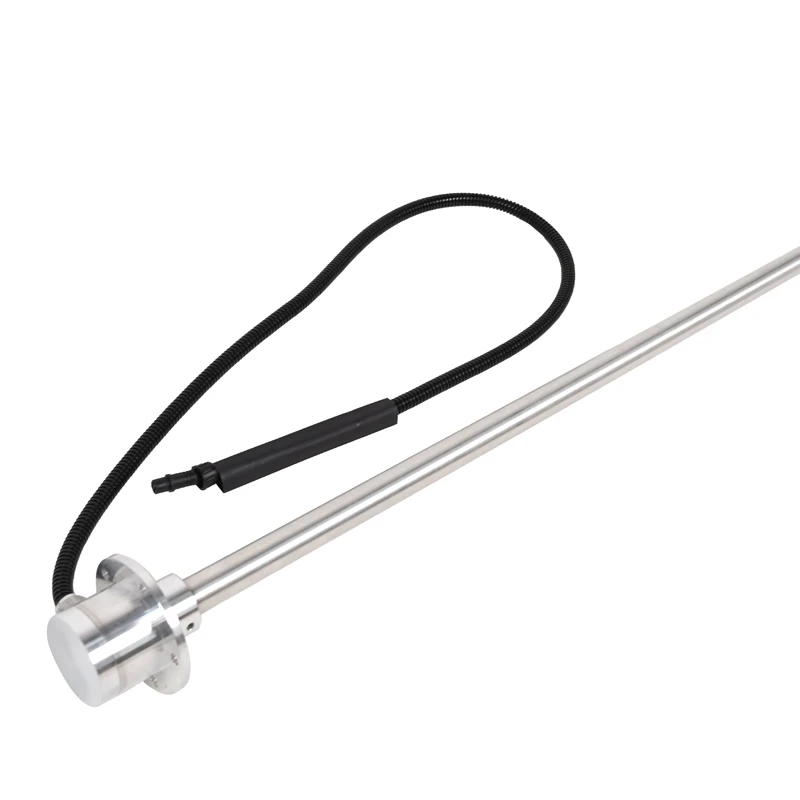
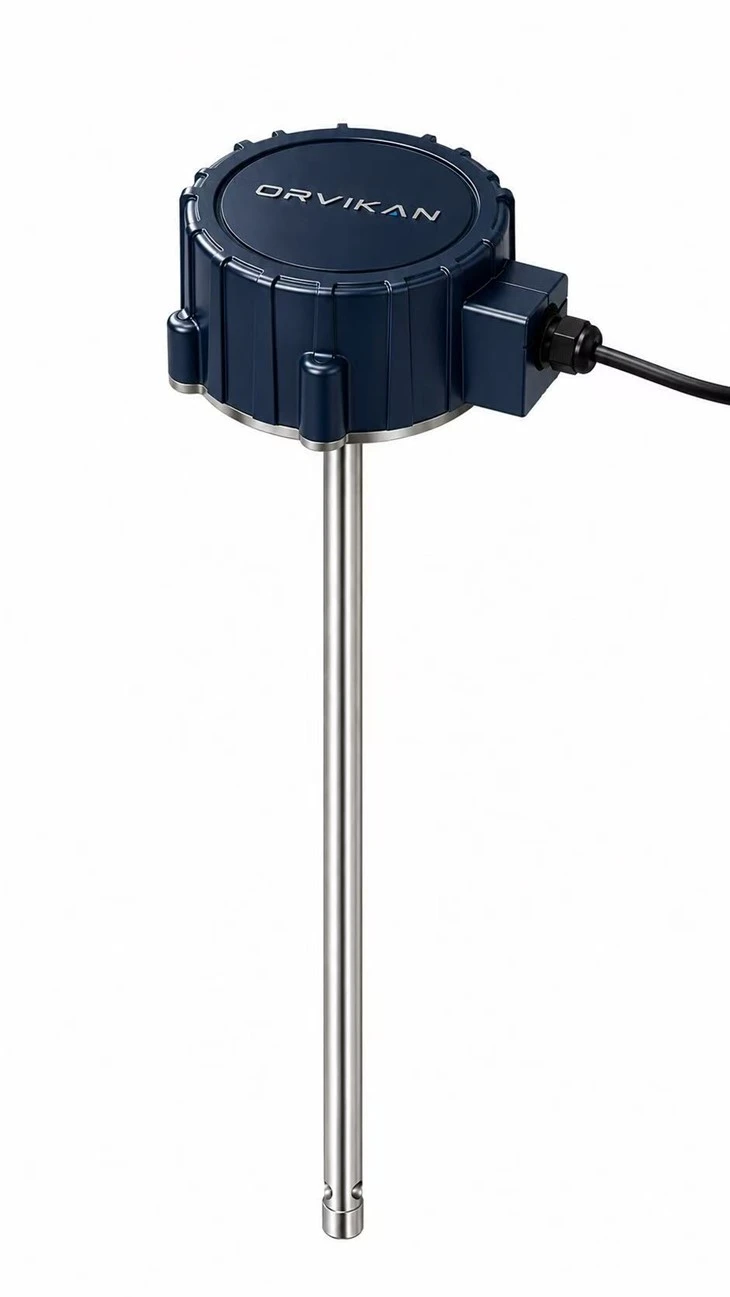
As a supplier of Bluetooth Wireless Temperature Sensor, I am confident in the performance and reliability of our products. Our sensors are designed to meet the specific requirements of data center applications, providing accurate and real-time temperature data. We also offer a range of other sensors, including Split-Type Vehicle Fuel Consumption Sensor and Integrated Vehicle Fuel Consumption Sensor, which can be used in various industries.
If you are interested in learning more about our Bluetooth wireless temperature sensors or other products, or if you have any questions or requirements regarding temperature monitoring in your data center, please feel free to contact us for a detailed discussion and procurement negotiation. We look forward to the opportunity to work with you and contribute to the success of your data center operations.
References
[1] "The Impact of Temperature on Data Center Equipment Lifespan," Data Center Journal, 20XX.